
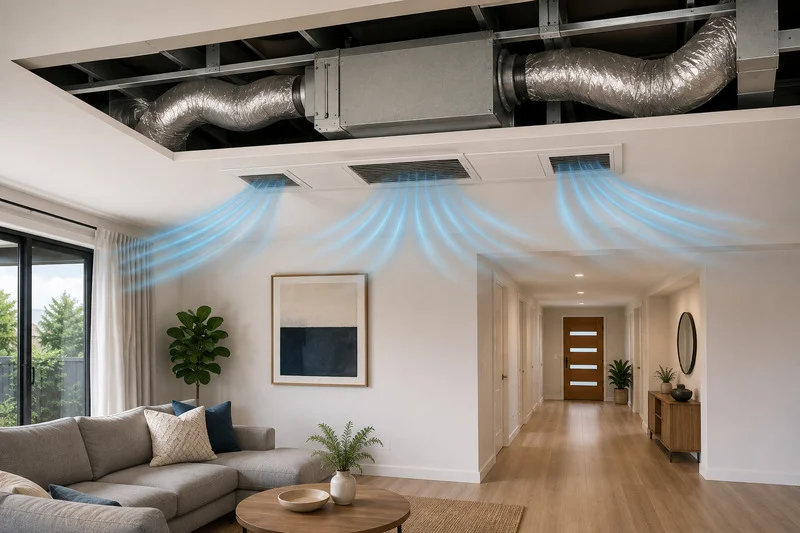
Choosing the right HVAC system is one of the most important decisions when designing, constructing, or renovating a building. HVAC systems are not only used to cool indoor spaces during hot weather; they can also have a direct impact on indoor air quality, energy consumption, occupant comfort, maintenance costs, and even the overall value of the property.
A properly designed HVAC system creates a healthier and more comfortable environment by maintaining a balanced temperature, controlling humidity, and improving indoor air quality. On the other hand, using equipment that is not properly sized for the building’s requirements can lead to higher electricity consumption, reduced equipment lifespan, and occupant dissatisfaction. Therefore, making an informed HVAC selection should be considered a long-term investment in the building.
What Features Should a Suitable HVAC System Have?
A suitable HVAC system should be selected based on the actual conditions and requirements of the building. Factors such as building area, number of floors, occupancy, geographical location, solar exposure, building use, and insulation quality should all be taken into consideration when selecting the equipment.
For example, the cooling capacity required for a residential unit differs from that of an office or retail store. Choosing equipment with a capacity higher than required does not necessarily result in better performance and may increase both initial costs and energy consumption.
In addition to having the appropriate capacity, a properly designed system should offer high energy efficiency, reliable performance, effective temperature control, and reasonable maintenance costs.
ا
Increased Thermal Comfort for Occupants
One of the most important benefits of an HVAC system is its ability to provide thermal comfort indoors. Excessively high or low temperatures can lead to reduced concentration, fatigue, and occupant dissatisfaction.
A properly designed HVAC system maintains a stable and comfortable indoor environment through precise temperature control. In more advanced systems, it is also possible to adjust the temperature in different areas of the building independently. This feature is particularly important in office buildings, hotels, and large complexes.
Humidity control is another important aspect of thermal comfort. Excessive humidity can increase the perception of heat and create favorable conditions for mold and fungal growth. Conversely, excessively dry air may cause dry skin and respiratory discomfort.
Improved Indoor Air Quality
Indoor air quality has a significant impact on people’s health and comfort. Dust, airborne particles, unpleasant odors, and certain pollutants can accumulate in enclosed spaces.
A properly designed HVAC system equipped with suitable filters and an effective air circulation system can help reduce certain pollutants and improve indoor air quality.
Regular filter replacement is also essential. Even the most advanced HVAC equipment cannot maintain optimal performance without proper maintenance. Therefore, periodic servicing and filter cleaning should be an integral part of the building maintenance program.
Reduced Energy Consumption and Operating Costs
One of the most important factors to consider when purchasing an HVAC system is its energy consumption. Low-efficiency equipment may have a lower initial purchase price, but it can impose higher electricity costs on the building over time.
Selecting energy-efficient equipment can help reduce operating costs. Technologies such as inverter compressors can also optimize energy consumption by adjusting the system’s operating capacity according to actual demand. This helps prevent frequent system cycling and can improve overall energy efficiency.
However, simply purchasing an energy-efficient unit is not enough. Equipment capacity, ductwork design, building insulation, and installation quality also have a significant impact on energy consumption.
Increased Property Value
A suitable HVAC system can be an important advantage when selling or renting a property. Today’s buyers and tenants consider not only location and interior design but also building amenities and operating costs.
A reliable, energy-efficient, and properly designed heating and cooling system can increase a property’s appeal. This is particularly important in commercial and office buildings, where the comfort of employees and visitors can directly affect their experience within the space.
For this reason, investing in high-quality HVAC equipment can be considered part of a long-term strategy for maintaining and potentially enhancing property value.
Extended Equipment Lifespan and Reduced Repair Costs
Selecting the correct HVAC system type and capacity allows equipment to operate under appropriate working conditions. If a unit is undersized for the space it serves, it may have to operate at or near maximum capacity for extended periods. This can increase component wear and energy consumption.
On the other hand, using equipment with a capacity significantly higher than required is also inefficient and may result in higher initial costs and reduced operating efficiency.
Proper installation, regular servicing, filter cleaning, and inspection of major components can extend the useful life of HVAC equipment and reduce the likelihood of costly failures.
Choosing an HVAC System Based on Building Type
There is no single HVAC system that is the best choice for every building. The building’s intended use should be one of the primary criteria when selecting a system.
Residential Buildings
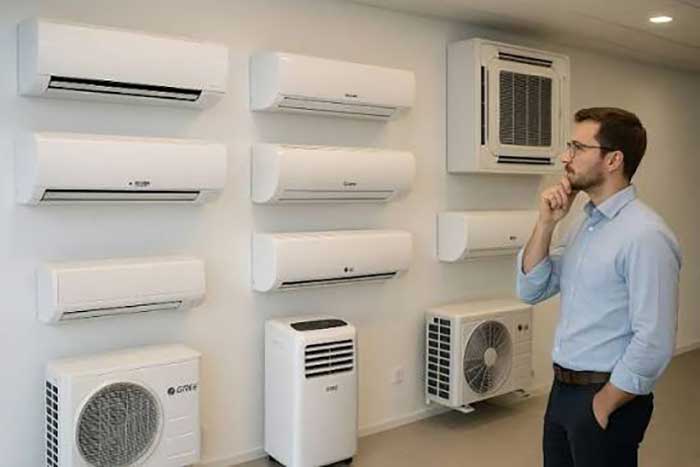
In residential units, equipment noise, energy consumption, ease of temperature control, and equipment size are particularly important. Split systems, ducted split systems, and multi-zone systems are among the options that can be considered depending on the building’s specific conditions.
Office and Commercial Buildings
In office and commercial spaces, temperature control in different areas, air distribution quality, and energy management capabilities become increasingly important. In large projects, centralized HVAC systems and smart building management solutions may be more suitable.
Large and Multi-Story Buildings
For large buildings, system selection should be based on accurate heating and cooling load calculations, air distribution requirements, and the specific needs of each area. Poor system design in such projects can result in significant operating costs.
What Should You Consider When Choosing an HVAC System?
Before purchasing an HVAC system, it is advisable to evaluate several important factors:
- Building area and ceiling height
- Intended use of the space
- Local climatic conditions
- Number of occupants or users
- Quality of building insulation
- Number of windows and level of solar exposure
- Required heating and cooling capacity
- Equipment energy efficiency
- Equipment noise level
- Installation and maintenance costs
- Availability of after-sales services and spare parts
Consulting HVAC and mechanical building-services professionals before purchasing equipment can help prevent inappropriate selections and unnecessary additional costs.
Conclusion
A suitable HVAC system is not simply a device for cooling a building; it is an important part of a property’s comfort and economic infrastructure. Proper equipment selection can improve thermal comfort, indoor air quality, and energy efficiency while reducing repair and maintenance costs.
Furthermore, having a reliable and energy-efficient HVAC system can make a property more attractive to buyers and tenants and help maintain its economic value over the long term.
Therefore, the initial equipment price should not be the only criterion when selecting an HVAC system. Appropriate capacity, energy efficiency, installation quality, controllability, maintenance costs, and compatibility with the building type should all be evaluated together. A well-informed HVAC selection is an investment that can enhance occupants’ comfort today while helping preserve and potentially strengthen the property’s value in the future.
No responses yet